
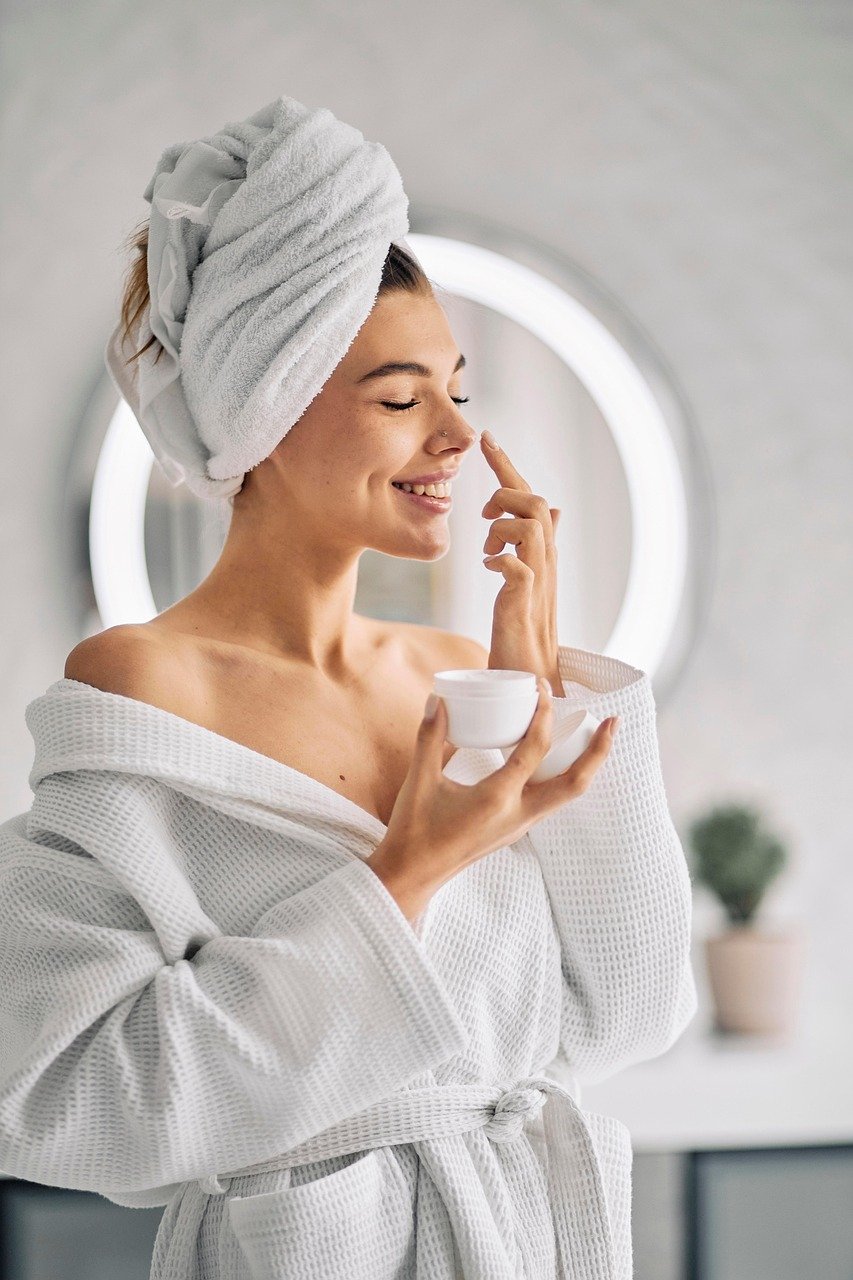
After years of trial and error with everything from budget basics to ultra-luxury skincare, I’ve finally assembled a routine that delivers real results. I’m sharing every single product I use daily, why I chose each one, and whether it’s genuinely worth the investment.
Quick facts about my skin:
- Age: Early 40s
- Skin type: Combination (oily T-zone, dry cheeks)
- Main concerns: Fine lines around eyes, uneven texture, occasional breakouts, mild hyperpigmentation
- Philosophy: Strategic splurges mixed with smart saves
This post contains affiliate links, which means I may earn a small commission if you purchase through my links at no extra cost to you. I only recommend products I genuinely use and believe in.
Why I Invested in Luxury Skincare
Two years ago, my skincare routine was chaotic. I’d buy products based on Instagram ads, never finish anything, and constantly wonder why my skin wasn’t improving. I was spending money, just not strategically.
Then I made a decision: invest in fewer, higher-quality products that actually work together. The transformation wasn’t overnight, but after three months, my skin looked completely different—clearer, smoother, more radiant. People started asking what I was doing differently.
Here’s what I learned: not everything needs to be expensive. Some drugstore products perform just as well as luxury alternatives. But certain high-end products deliver results that justify their price tags. Let me show you where I splurge and where I save.
My Morning Routine: Fresh Start
Step 1: Gentle Cleanser
Product: La Roche-Posay Toleriane Hydrating Gentle Cleanser
- Price: $15.99
- Size: 13.5 fl oz
- Why I use it: This is where I save money. Morning cleansing doesn’t need to be elaborate—I’m just removing overnight oil and preparing my skin for actives. This cleanser has ceramides and niacinamide, leaves my skin soft, and doesn’t strip my moisture barrier. A bottle lasts me 4-5 months.
- Worth it?: Absolutely. One of the best budget picks in my entire routine.
- Where to buy: Amazon | Dermstore
Step 2: Vitamin C Serum
Product: SkinCeuticals C E Ferulic
- Price: $182
- Size: 1 fl oz (30ml)
- Why I use it: This is my biggest splurge and the one product I’ll repurchase forever. The 15% L-ascorbic acid, 1% vitamin E, and 0.5% ferulic acid combination is clinically proven to neutralize free radicals and reduce visible signs of aging. After three months of daily use, my dark spots faded by at least 40%, and my overall skin tone is noticeably brighter and more even.
What sets this apart from cheaper vitamin C serums? Stability. Most oxidize within weeks (you’ll see them turn orange), rendering them useless. This formula stays potent for 3-4 months. The texture is lightweight, absorbs instantly, and never pills under makeup.
- Cost per use: Approximately $1.52 per day (lasts 120 days)
- Worth it?: Yes, but only if you’ll use it every single morning. Consistency is key with vitamin C.
- Alternative: If the price is too steep, try Timeless 20% Vitamin C + E Ferulic Acid Serum ($25.95). It’s a solid dupe, though not quite as stable.
- Where to buy: Dermstore
Step 3: Eye Cream
Product: Drunk Elephant C-Tango Multivitamin Eye Cream
- Price: $68
- Size: 0.5 fl oz (15ml)
- Why I use it: Eye cream is controversial—some dermatologists say you don’t need a separate product. I disagree. The skin around my eyes is thinner and needs extra attention. This cream has eight peptides, five forms of vitamin C, and cucumber extract. It’s brightened my dark circles and keeps the delicate eye area hydrated without causing milia (those tiny white bumps).
The texture is rich but absorbs well. I use a tiny amount (rice grain size) for both eyes, so one jar lasts about 4 months.
- Worth it?: Yes, if dark circles and fine lines concern you. No, if you’re under 25 with no specific eye concerns.
- Budget alternative: CeraVe Eye Repair Cream ($11.59)
- Where to buy: Amazon|
Step 4: Lightweight Moisturizer
Product: Tatcha The Water Cream
- Price: $69
- Size: 1.7 oz (50ml)
- Why I use it: This oil-free gel-cream is perfect for my combination skin in the morning. It contains Japanese wild rose for pore refinement, Japanese leopard lily to control oil, and Tatcha’s Hadasei-3 complex (green tea, rice, and algae) for hydration. It absorbs in seconds, never feels greasy, and creates a smooth canvas for makeup.
Is it necessary? No. Does it make my morning routine feel luxurious? Absolutely. Plus, it genuinely keeps my T-zone from getting oily by midday.
- Worth it?: If you have oily or combination skin and appreciate beautiful textures, yes. If you’re on a budget, there are good alternatives.
- Budget alternative: Neutrogena Hydro Boost Water Gel ($18.47)
- Where to buy: Amazon
Step 5: Sunscreen (Non-Negotiable!)
Product: EltaMD UV Clear Broad-Spectrum SPF 46
- Price: $39
- Size: 1.7 oz (48g)
- Why I use it: Sunscreen is the single most important anti-aging product you can use. I’ve tried dozens, and this one checks all my boxes: broad-spectrum protection, no white cast, doesn’t pill under makeup, contains niacinamide for added brightening, and is oil-free so it won’t clog my pores.
I wear this every single day, even when I’m indoors (UVA rays penetrate windows). A tube lasts about 2 months with daily facial application.
- Worth it?: 100% yes. Sun damage is the leading cause of premature aging. This is where you invest.
- Budget alternative: La Roche-Posay Anthelios Clear Skin Dry Touch SPF 60 ($19.99)
- Where to buy: Amazon
Morning Routine Total Time: 5 minutes
Morning Routine Total Cost: $373.99 (initial investment)
Monthly Cost: ~$95 (when replenishing products as needed)https://amzn.to/47aOudY
My Evening Routine: Treatment & Repair
Step 1: First Cleanse (Makeup/SPF Removal)
Product: Farmacy Green Clean Makeup Removing Cleansing Balm
- Price: $36
- Size: 3.2 oz (90ml)
- Why I use it: This balm melts away every trace of makeup, SPF, and daily grime. It starts as a solid, transforms into silky oil when massaged into dry skin, then emulsifies into a milky texture with water. It contains sunflower and ginger root oils, plus moringa extract to remove pollution particles.
The cleansing balm method (oil-based first cleanse) is the most effective way to thoroughly clean skin without stripping it. This product is gentle enough for my eyes and never leaves residue.
- Worth it?: Yes. A little goes a long way—one jar lasts 3-4 months.
- Budget alternative: Banila Co Clean It Zero Cleansing Balm Original ($18.50)
- Where to buy: Amazon
Step 2: Second Cleanse (Deep Clean)
Product: Fresh Soy Face Cleanser
- Price: $38
- Size: 5 oz (150ml)
- Why I use it: After removing everything with the cleansing balm, I follow with this gentle, pH-balanced gel cleanser. It contains soy proteins, cucumber extract, and rosewater. It thoroughly cleanses without tightness or dryness—my skin feels soft and balanced, never squeaky clean (which actually means stripped).
This is a splurge cleanser, but I love the experience and it’s effective for my combination skin.
- Worth it?: Honestly, this is more of a “nice to have.” The cleansing balm does most of the heavy lifting.
- Budget alternative: CeraVe Hydrating Facial Cleanser ($11.98)
- Where to buy: Amazon
Step 3: Treatment – Retinol (3-4x Per Week)
Product: Drunk Elephant A-Passioni Retinol Cream
- Price: $74
- Size: 1 oz (30ml)
- When I use it: Monday, Wednesday, Friday, and sometimes Sunday
- Why I use it: Retinol is the gold standard for anti-aging—it’s backed by decades of research. This formula contains 1% vegan retinol plus supportive ingredients like peptides, vitamin F, and passionfruit extract to minimize irritation while maximizing results.
After six months of consistent use, my skin texture has dramatically improved. Fine lines around my eyes are softer, my pores appear smaller, and my skin tone is more even. I started with twice weekly application and gradually increased to 3-4 times per week.
Important: Retinol can cause purging and sensitivity initially. Start slowly, always use SPF diligently, and be patient—results take 8-12 weeks.
- Worth it?: Absolutely. Retinol is one of the few ingredients with extensive clinical evidence for reversing signs of aging.
- Budget alternative: The Ordinary Retinol 0.5% in Squalane ($6.70) or CeraVe Resurfacing Retinol Serum ($17.49)
- Where to buy: Amazon
Step 4: Hydrating Serum (On Non-Retinol Nights)
Product: The Ordinary Hyaluronic Acid 2% + B5
- Price: $9.90
- Size: 1 oz (30ml)
- Why I use it: On nights when I skip retinol (Tuesday, Thursday, Saturday), I use this hyaluronic acid serum for extra hydration. It contains three molecular weights of HA to penetrate different skin depths, plus vitamin B5 for added moisture and healing.
I apply this to damp skin (key for hyaluronic acid effectiveness), and it plumps my skin beautifully. This is one of the best budget products in skincare, period.
- Worth it?: At $9.90, absolutely. One of the rare products where expensive doesn’t mean better.
- Where to buy: Amazon
Step 5: Eye Cream
Product: Same as morning – Drunk Elephant C-Tango
I use this both morning and night. At night, I’m slightly more generous with the application since I don’t need to worry about makeup going on top.
Step 6: Night Moisturizer
Product: Drunk Elephant Lala Retro Whipped Cream
- Price: $60
- Size: 1.69 oz (50ml)
- Why I use it: This rich, whipped moisturizer is perfect for nighttime. It contains six African oils (including marula, baobab, and mongongo), plant ceramides, and cholesterol to support skin barrier repair while you sleep.
The texture is luxurious—thick and creamy but absorbs well without feeling heavy. I wake up with soft, nourished skin. On retinol nights, this provides the extra moisture my skin needs to prevent dryness.
- Worth it?: Yes, if you like rich night creams and have dry or combination skin. No, if you have very oily skin.
- Budget alternative: CeraVe Moisturizing Cream ($16.08 for a huge tub)
- Where to buy: Amazon
Step 7: Face Oil (Optional – Dry Nights Only)
Product: Sunday Riley Luna Sleeping Night Oil
- Price: $55
- Size: 0.5 oz (15ml)
- Why I use it: I don’t use this every night—only when my skin feels particularly dry or after aggressive exfoliation. This oil contains blue tansy (anti-inflammatory), chia seed oil, and trans-retinol ester (a gentler retinol derivative). It’s deeply nourishing and helps seal in all the previous layers.
One or two drops is enough. I warm it between my palms and press into skin as the final step.
- Worth it?: This is a luxury, not a necessity. Skip if you’re on a budget.
- Budget alternative: The Ordinary 100% Organic Cold-Pressed Rose Hip Seed Oil ($9.80)
- Where to buy: Amazon
Evening Routine Total Time: 8-10 minutes
Evening Routine Total Cost: $269.70 (without optional face oil)
Monthly Cost: ~$70 (when replenishing products as needed)
Weekly Treatments: The Extra Mile
Treatment 1: Exfoliating Mask (Once Weekly)
Product: Drunk Elephant T.L.C. Sukari Babyfacial
- Price: $80
- Size: 1.69 oz (50ml)
- When: Sunday evenings (skip retinol this night)
- Why I use it: This is an at-home chemical peel with 25% AHA (glycolic and lactic acids) and 2% BHA (salicylic acid). I leave it on for 20 minutes (started with 10 and worked up), and it dramatically resurfaces my skin—sloughing away dead cells, unclogging pores, and revealing brighter, smoother skin underneath.
The results are immediate. My skin glows the next day, and over time, it’s improved my overall texture and minimized the appearance of acne scars.
- Worth it?: Yes, if you want professional-level exfoliation at home. One bottle lasts about 25 treatments (6+ months).
- Budget alternative: The Ordinary AHA 30% + BHA 2% Peeling Solution ($7.50)
Treatment 2: Hydrating Mask (Once Weekly)
Product: Laneige Water Sleeping Mask
- Price: $32
- Size: 2.3 oz (70ml)
- When: Wednesday or Thursday night
- Why I use it: This overnight mask is intensely hydrating with hyaluronic acid, ionized mineral water, and evening primrose root extract. I apply a generous layer as the last step in my routine, sleep in it, and wake up with plump, bouncy skin.
It’s especially helpful in winter or after flights when my skin needs extra moisture.
- Worth it?: Yes, for the amount of product and how long it lasts (40+ uses).
- Where to buy: Amazon
The Investment Breakdown: Real Numbers
Let me be transparent about what this routine actually costs:
Initial Investment (Buying Everything at Once)
| Product | Price | How Long It Lasts |
|---|---|---|
| MORNING | ||
| La Roche-Posay Cleanser | $15.99 | 4 months |
| SkinCeuticals C E Ferulic | $182.00 | 4 months |
| Drunk Elephant Eye Cream | $68.00 | 4 months (AM + PM) |
| Tatcha Water Cream | $69.00 | 2 months |
| EltaMD SPF 46 | $39.00 | 2 months |
| EVENING | ||
| Farmacy Cleansing Balm | $36.00 | 3 months |
| Fresh Soy Cleanser | $38.00 | 3 months |
| Drunk Elephant Retinol | $74.00 | 4 months |
| The Ordinary HA + B5 | $6.70 | 3 months |
| Drunk Elephant Night Cream | $60.00 | 2.5 months |
| WEEKLY | ||
| Drunk Elephant Babyfacial | $80.00 | 6 months |
| Laneige Sleeping Mask | $32.00 | 5 months |
| TOTAL INITIAL COST | $700.69 |
Monthly Maintenance Cost (After Initial Purchase)
When you break it down by monthly replacement needs: $170-200 per month
This seems like a lot, but consider:
- One facial at a spa: $100-150 (lasts 1 day)
- This routine: $200/month (results compound over time)
- Prevention is cheaper than correction (lasers, fillers, etc.)
Where I Splurge vs. Where I Save
Worth the Splurge (For Me):
✅ SkinCeuticals C E Ferulic – The only vitamin C serum that’s genuinely transformed my skin
✅ Retinol – Non-negotiable for anti-aging; results justify the cost
✅ SPF – Daily protection is crucial; I want something I’ll actually wear
✅ Drunk Elephant Babyfacial – Professional-level exfoliation at home
Where I Save:
💰 Morning cleanser – It literally goes down the drain; budget works perfectly
💰 Hyaluronic acid – The Ordinary’s $6.70 version works as well as $80 alternatives
💰 Hydrating masks – Mid-range options perform excellently
Products I Skip Entirely:
❌ Toners – Not necessary if your cleanser is pH-balanced
❌ Essence – Redundant if you’re using serums
❌ Neck cream – I just extend my face products down to my neck
Where to Buy These Products
I rotate between retailers based on sales, points programs, and availability:
My Go-To Retailers:
1. Amazon (Shop here)
- Fast Prime shipping
- Competitive pricing
- Important: Only buy from authorized sellers (check brand’s website)
- Good for basics like La Roche-Posay, CeraVe
2. Dermstore (Shop here)
- 25% off sales 3-4 times per year
- Free shipping over $50
- Excellent selection of luxury and clinical brands
- Rewards program
3. SkinStore
- Sister site to Dermstore
- Same brands, similar sales
- Frequent 20-22% off codes
- International shipping
4. Sephora
- Beauty Insider points (redeem for products)
- 15-20% off sales for VIB/Rouge members
- Generous return policy
- Try before you buy (samples available)
5. Nordstrom
- Best customer service
- Easy, no-questions-asked returns
- Nordstrom Notes (points) events
- Free shipping and returns
Money-Saving Tips:
- Sign up for email lists – Get 10-20% off welcome codes plus early access to sales
- Shop holiday sales – Black Friday, Cyber Monday, friends & family events (40-50% off)
- Join rewards programs – Sephora Beauty Insider, Nordstrom Rewards, Dermstore rewards
- Buy value sizes – Usually 20-30% better value per ounce
- Check for sets – Holiday kits often include full-size products at better value
- Use Rakuten – Cash back on beauty purchases (4-10% back typically)
- Follow on social media – Brands announce flash sales on Instagram
Frequently Asked Questions
Do I really need to spend this much on skincare?
No! You can build an effective routine for $100-200 total. I’ve included budget alternatives throughout this post. The key to great skin is consistency, sun protection, and using proven active ingredients (retinol, vitamin C, acids). Price doesn’t always equal results.
That said, certain luxury products—like SkinCeuticals C E Ferulic—do perform better than cheaper alternatives in my experience.
What’s the ONE product worth splurging on?
If I could only keep one luxury product, it would be SkinCeuticals C E Ferulic. The brightening and anti-aging results are unmatched, and the formula stability justifies the price.
Second choice: a good retinol. You don’t need to spend $74 like I do (The Ordinary’s options work well), but investing in effective retinol is crucial for anti-aging.
Can I mix luxury and drugstore products?
Absolutely! Some of the best products are affordable. My routine mixes a $6.70 hyaluronic acid serum with a $182 vitamin C serum. Focus on ingredient quality and concentration, not brand prestige.
How long did it take to see results?
- Immediate (1-2 weeks): Skin feels better, more hydrated
- 4-6 weeks: Noticeable brightness and texture improvement
- 3 months: Visible reduction in fine lines, even skin tone, pore refinement
- 6+ months: Significant transformation; this is when people start asking what you’re doing
Patience and consistency are everything.
Do you change your routine seasonally?
Slightly. In winter, I:
- Use Lala Retro night cream every evening (not just occasionally)
- Add face oil more frequently
- Sometimes swap Tatcha Water Cream for something richer in the morning
In summer, I:
- Use lighter layers
- Skip face oil entirely
- Reapply SPF midday if I’m outside
What about professional treatments?
I get quarterly facials for deep extractions and LED therapy ($120 each). I’ve also done microneedling once ($350), which gave great texture improvement. But honestly, my daily routine does most of the heavy lifting.
Can I use retinol and vitamin C together?
Yes! I use vitamin C in the morning (for antioxidant protection during the day) and retinol at night (when skin is in repair mode). They work synergistically for anti-aging.
Just don’t apply them at the exact same time—different pH requirements make them less effective when combined.
Is this routine suitable for sensitive skin?
Some products might be too strong. If you have sensitive skin:
- Start with lower retinol concentration (0.25% or 0.5%)
- Skip the Babyfacial or use less frequently
- Do patch tests
- Introduce one new product every 2 weeks
Consider consulting a dermatologist for personalized advice.
How do you remember to do this every day?
Honestly, it’s become as automatic as brushing my teeth. I keep everything visible on my bathroom counter, and the routine takes 5 minutes in the morning, 10 at night. Plus, seeing results is incredibly motivating.
My Final Thoughts: Is Luxury Skincare Worth It?
After two years of using this routine, my answer is: it depends on your priorities and budget.
Luxury skincare is worth it if:
- You value beautiful textures and sensory experiences
- You can afford it without financial stress
- You’re committed to consistency
- You’re choosing products with proven active ingredients
It’s NOT worth it if:
- You’re going into debt for it
- You expect miracles overnight
- You’re not willing to use products consistently
- You’re ignoring basics like SPF and sleep
The truth is, you can have beautiful, healthy skin with a $100 routine or a $1,000 routine. The difference often comes down to texture, packaging, and how the routine makes you feel.
For me, investing in luxury skincare has been worthwhile—not just for the results, but because I genuinely enjoy the ritual. It’s my daily act of self-care, and that matters.
Ready to Build Your Luxury Routine?
If you’re just starting, I recommend beginning with these essentials:
- A gentle cleanser – Start with La Roche-Posay ($15.99)
- Vitamin C serum – SkinCeuticals if you can splurge, Timeless if you can’t ($25.95)
- Retinol – The Ordinary Retinol 0.5% ($6.70) or Drunk Elephant ($74)
- SPF – EltaMD UV Clear ($39) or La Roche-Posay Anthelios ($19.99)
- Basic moisturizer – CeraVe or Neutrogena Hydro Boost ($15-20)
Total to start: $100-350 depending on which options you choose
Then build from there as your skin adjusts and your budget allows.
Want My Complete Luxury Skincare Guide?
I’ve created a free downloadable guide with:
- Product comparison charts (luxury vs. budget alternatives)
- My exact application techniques
- A printable routine checklist
- Discount code roundup for all major retailers
Download the free guide here (Enter email to receive)
Last updated: October 2025
Related Posts You Might Like: